
Websites are visited.
LinkedIn profiles are reviewed.
Videos are watched.
Thought leadership content is consumed.
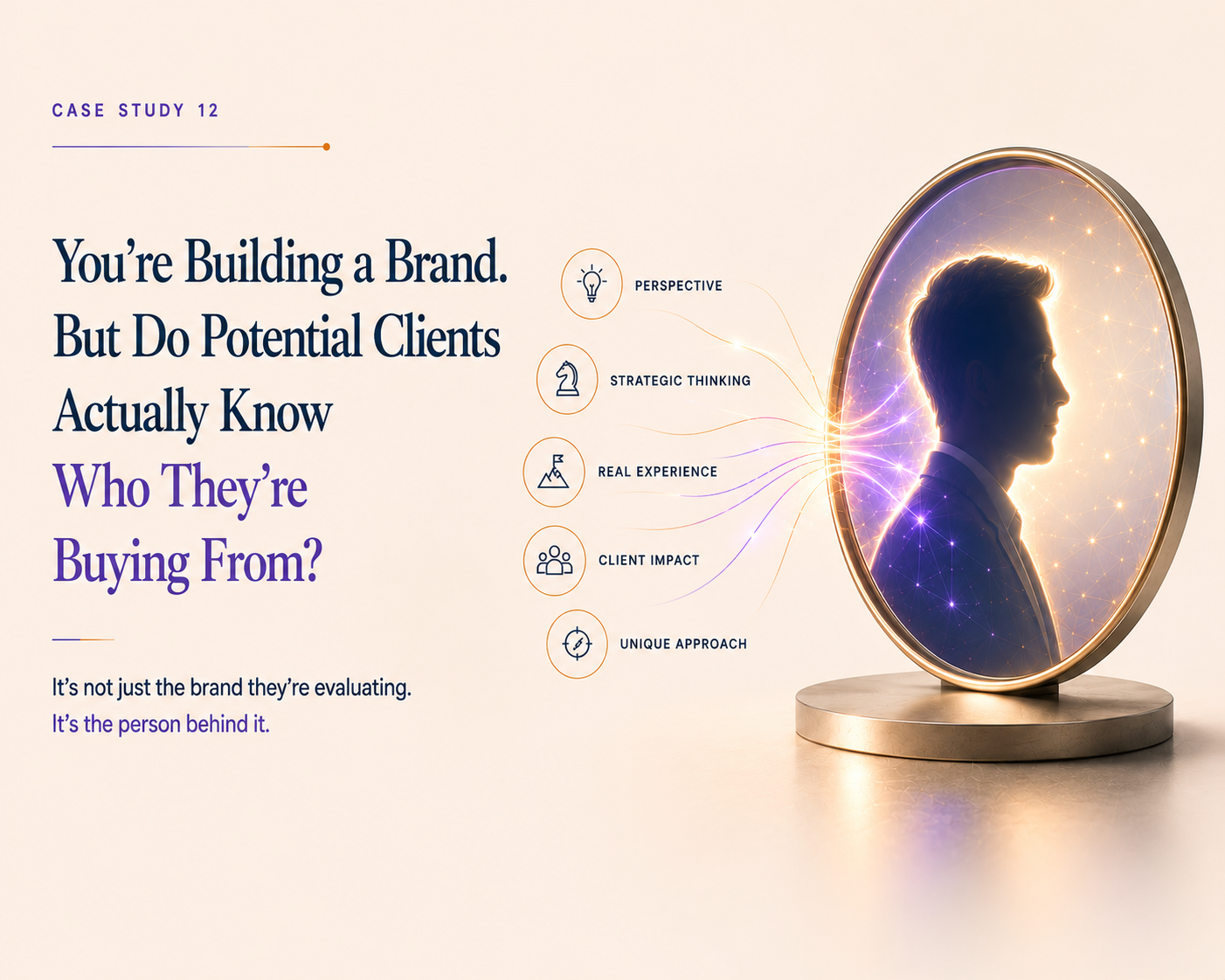
And increasingly, decision-makers want to understand the people behind a business before they decide whether to trust the business itself.
Yet many founders unknowingly make the same mistake.
They invest heavily in building their company brand while leaving their own expertise, thinking, and experience largely invisible.
This was the challenge facing the founder of a growing B2B technology services company in the Netherlands.
The company had a strong reputation.
The founder had deep expertise.
The market could see the brand.
It could not fully see the person behind it.
What initially appeared to be a thought leadership project ultimately became an authority-building and B2B trust-building transformation.
Industry
Technology & SaaS
Location
Netherlands
Services Delivered
Founder Thought Leadership
Executive Positioning
LinkedIn Authority Building
B2B Sales Communication
Twitter/X Presence Development
Personal Brand Communication Strategy
Client Background
The client was the founder of a technology services company with over eight years of experience helping organizations navigate digital transformation and operational modernization.
The business had built a strong reputation through delivery excellence, referrals, and long-term client relationships.
Recognizing the importance of founder visibility, the client had already invested in personal branding efforts.
A content agency had been hired to manage LinkedIn content.
Posts were being published regularly.
Visibility was improving.
Yet something still felt incomplete.
The founder remained dissatisfied with the outcomes.
The content was visible.
The expertise was not.
The Challenge
The founder initially approached us for thought leadership support.
The assumption was straightforward:
“I am already posting content. I need stronger thought leadership.”
Before recommending a strategy, we conducted a detailed audit of:
- LinkedIn presence
- Existing content
- Founder communication style
- Market positioning
- Industry conversations
- B2B buyer behaviour
- Digital authority signals
The findings revealed a deeper challenge.
The content was active.
But it was not building authority.
Most posts focused on:
- Industry observations
- Company updates
- Generic business advice
- Technology trends
- Professional milestones
While useful, very little content helped prospective clients understand:
- How the founder thinks
- What unique perspectives the founder brings
- How problems are approached
- What experience shapes decision-making
- Why clients should trust this team over another
The founder was visible.
The expertise was not.
Our Diagnosis
During the audit, we identified a challenge becoming increasingly common in B2B businesses.
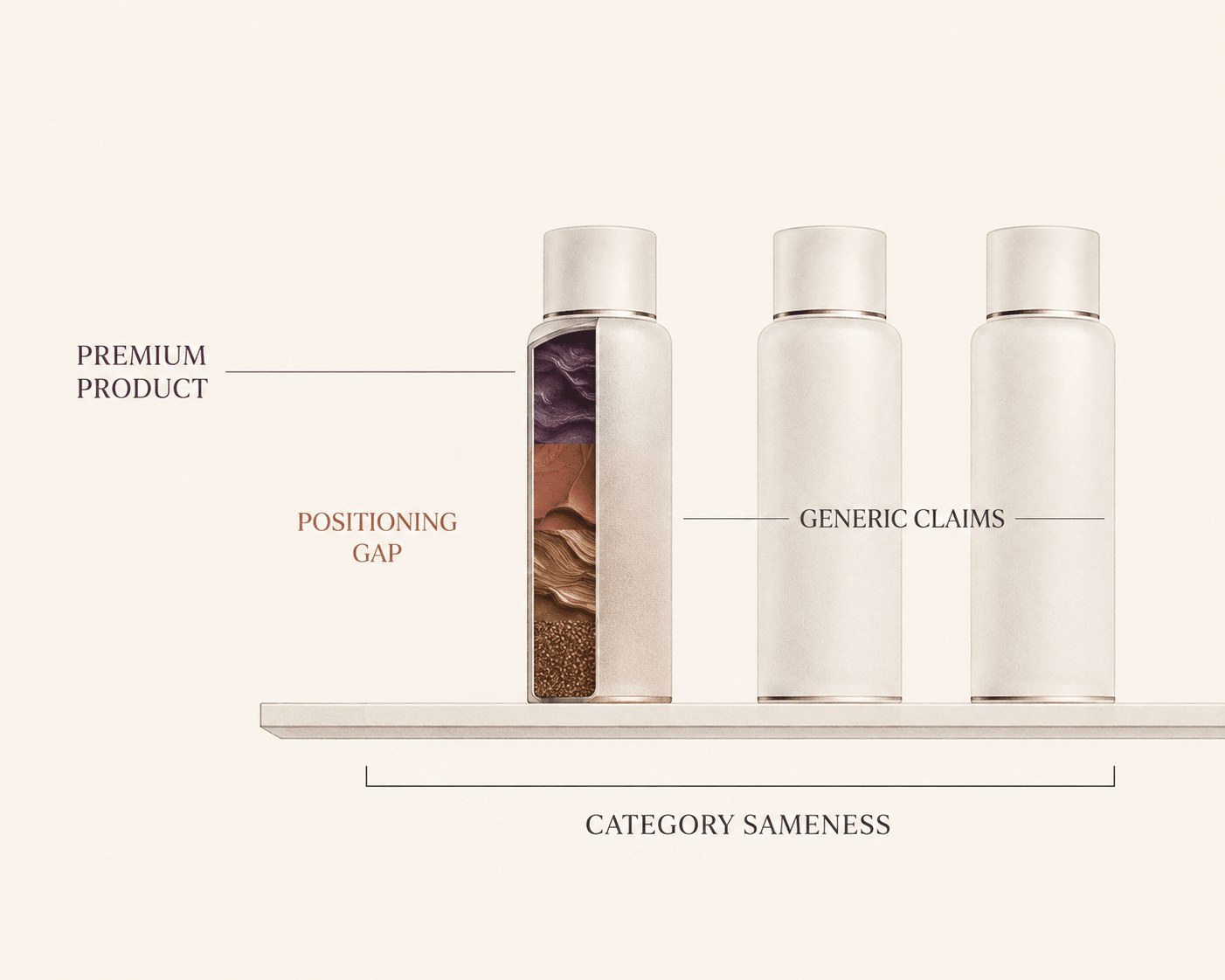
The founder had confused visibility with authority.
The market could see activity.
It could not consistently see expertise.
We also discovered that the founder’s most valuable insights were being shared privately during sales meetings, workshops, and client conversations.
Very little of that intellectual capital was visible online.
This created several gaps:
- High visibility but limited authority
- Consistent posting but weak differentiation
- Founder expertise hidden behind company updates
- Thought leadership focused on topics rather than perspectives
At the same time, prospective buyers were increasingly researching founders before engaging companies.
The market was no longer evaluating only brands.
It was evaluating leadership.
The company did not have a content problem.
It had an authority communication problem.
Strategic Intervention
Rather than simply increasing content output, we focused on building a structured authority ecosystem around the founder.
The objective was to make expertise visible before sales conversations began.
The engagement included:
- Founder positioning audit
- Thought leadership framework development
- LinkedIn authority strategy
- Executive communication architecture
- B2B sales communication alignment
- Twitter/X presence development
- Perspective-led content strategy
- Founder expertise extraction workshops

What Changed?
The first shift involved changing what the founder communicated.
Instead of discussing industry topics broadly, content began focusing on perspectives, experiences, lessons, and decision-making frameworks.
The revised strategy emphasized:
- Founder insights
- Industry observations
- Client challenges
- Strategic thinking
- Business lessons
- Executive decision-making
We developed a thought leadership framework designed to systematically extract expertise from years of client engagements and leadership experience.
LinkedIn became an authority-building platform rather than a content distribution channel.
A structured Twitter/X presence was also established to expand visibility within industry conversations and strengthen founder recognition beyond LinkedIn.
B2B sales communication was aligned with the founder’s positioning, ensuring that thought leadership, digital presence, and sales conversations reinforced the same expertise.
The objective was not to create more content.
It was to create more trust.
Business Impact
The authority-building strategy helped create stronger alignment between the founder’s expertise and market perception.
Key outcomes included:
- Stronger founder visibility
- Increased authority within the industry
- Better alignment between personal brand and company brand
- Improved trust before sales conversations
- Greater consistency across LinkedIn, Twitter/X, and sales communication
- Stronger differentiation within a competitive market
Most importantly, prospective clients began understanding the founder’s expertise before speaking with the company.
Leadership Insight
Many businesses invest heavily in brand building.
Far fewer invest in making leadership visible.
In today’s B2B environment, buyers are often evaluating the people behind a business before they evaluate the business itself.
The strongest brands are not built by hiding expertise behind logos.
They are built by making expertise visible, accessible, and impossible to ignore.