
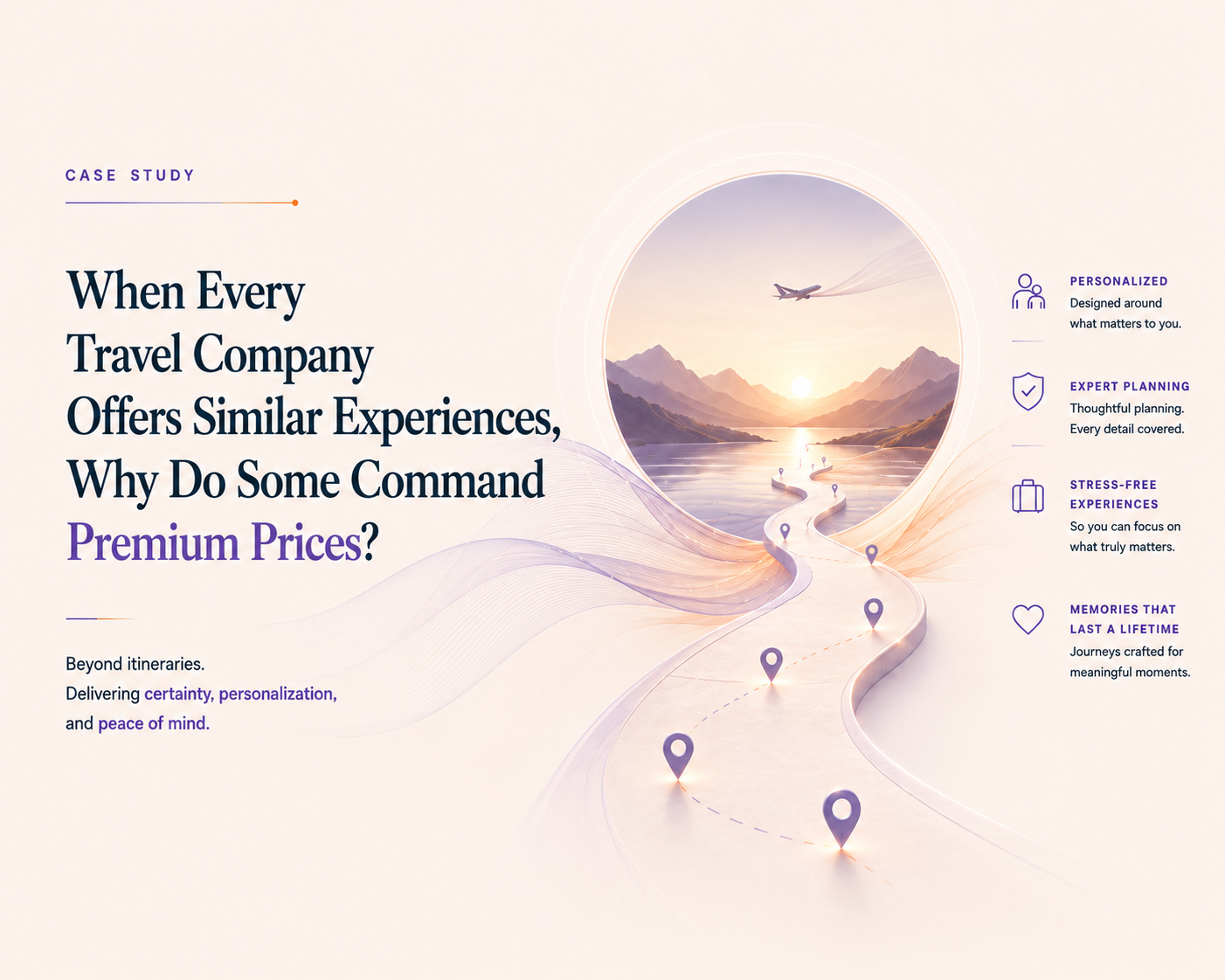
The challenge is that most travel companies end up communicating the same things: beautiful destinations, curated itineraries, premium stays, and memorable experiences.
Yet some travel brands consistently attract better clients, command higher prices, and generate stronger referrals.
This was the challenge facing an India-based premium travel company that specialized in customized family vacations. Their clients loved the experience. Their referrals were strong. Their service quality was exceptional.
The problem was that none of that was obvious to someone discovering the brand for the first time.
What initially appeared to be a pricing challenge turned out to be a positioning and communication challenge.
Industry
Manufacturing & Industrial Businesses
Location
India
Services Delivered
Brand & Positioning Communication
Website Communication & Digital Presence
Sales & Strategic Communication Assets
Authority Content Strategy
Client Background
The client was a premium travel company specializing in curated family vacations across domestic and international destinations.
Unlike traditional travel agencies focused on volume and transactions, the company invested significant time understanding family preferences, travel expectations, age groups, comfort requirements, and experience goals before designing a journey.
The business had built a loyal customer base through personalized service, detailed planning, and memorable travel experiences.
Referrals accounted for a large portion of new business.
Customer satisfaction remained consistently high.
However, as competition increased and online travel platforms became more sophisticated, prospective customers were exposed to an overwhelming number of options.
The leadership team realized that while their customer experience was significantly different, their communication looked remarkably similar to the rest of the market.
The Challenge
The company initially approached us seeking support with website communication and sales collateral.
Their concern was straightforward:
“Customers often compare us with lower-cost providers despite significant differences in service quality.”
Our audit revealed something interesting.
The problem wasn’t pricing.
The problem was differentiation.
The company’s website, brochures, and sales communication focused heavily on:
- Destinations
- Hotels
- Activities
- Inclusions
- Travel schedules
- Package details
While these elements were important, they were also the exact things competitors were communicating.
Very little communication highlighted:
- The expertise behind the planning process
- The consultation and discovery approach
- Family-specific travel design
- Risk management and contingency planning
- Personalization capabilities
- The overall experience architecture
The market was comparing itineraries.
The company was actually delivering peace of mind, personalization, and expertise.
Those are very different products.
Our Diagnosis
The audit revealed a challenge common among premium service businesses.
The company had invested heavily in creating exceptional travel experiences.
It had invested very little in communicating what made those experiences worth paying more for.
This created three critical gaps:
- Premium service but generic positioning
- High customer satisfaction but weak visible differentiation
- Experience-led delivery but package-led communication
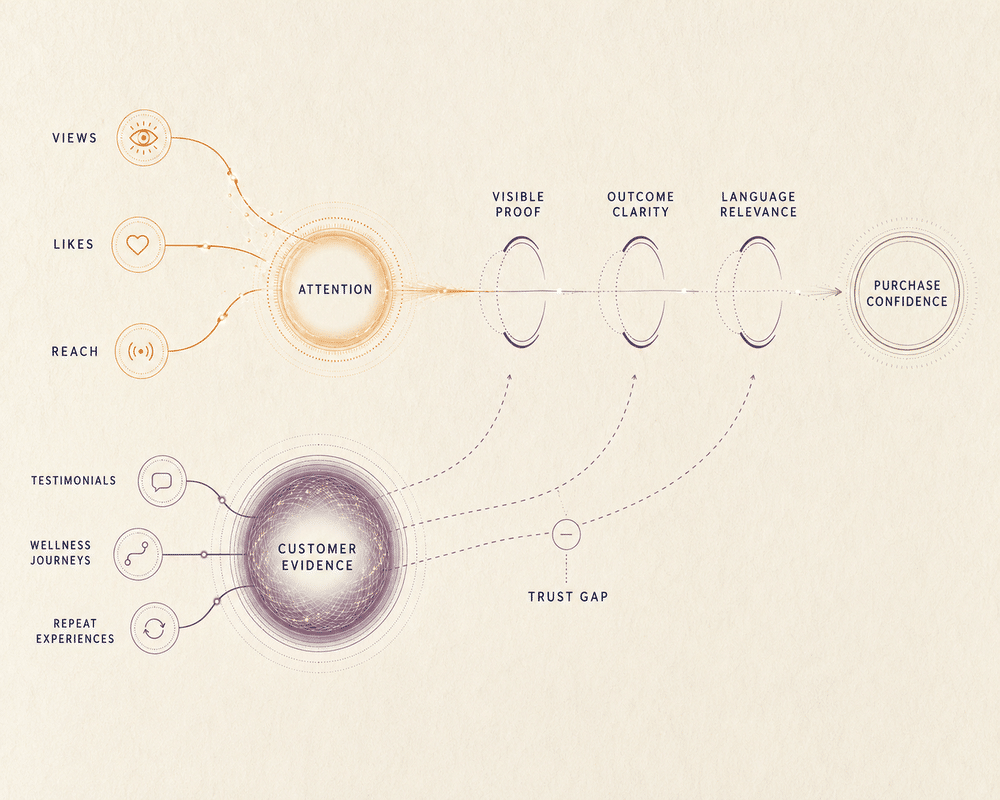
Prospective customers could see where the company could take them.
They could not clearly see why they should choose them.
The business did not have a visibility problem.
It had a value perception problem.
Strategic Intervention
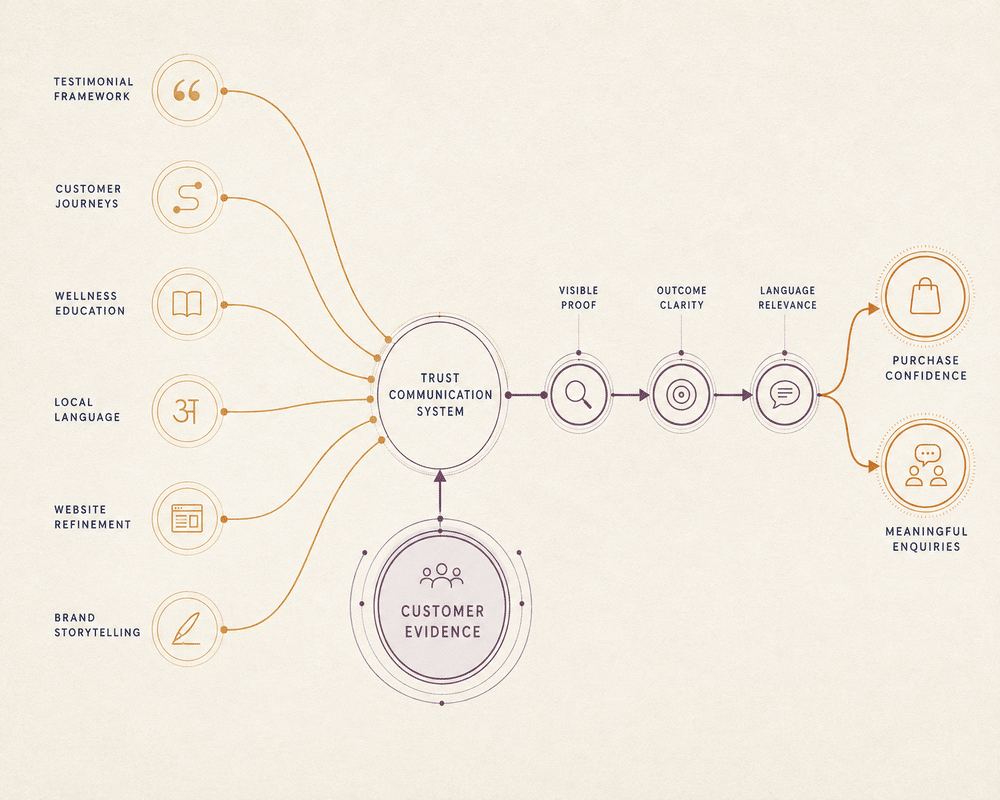
Rather than focusing on isolated marketing assets, we recommended a positioning-led communication transformation.
Our objective was to reposition the company from a travel booking provider to a trusted travel experience partner.
The engagement included:
- Brand positioning audit
- Experience narrative development
- Website communication strategy
- Customer journey communication mapping
- Sales communication refinement
- Trust-building content framework
- Founder and company expertise positioning
- Differentiation messaging architecture
What Changed?
The first shift involved changing how the company described its value.
Instead of leading with destinations and itineraries, communication began focusing on outcomes and experiences.
The revised narrative emphasized:
- Personalized family travel planning
- Expert destination guidance
- Stress-free travel experiences
- Experience-first journey design
- Family-focused travel expertise
- Trusted travel advisory support
The website was restructured to communicate expertise before packages.
Sales presentations moved away from itinerary comparisons and began highlighting the consultation process, planning methodology, and value behind the experience.
Client stories became a critical trust-building asset.
The company also began creating authority-focused content around destination planning, family travel considerations, seasonal travel insights, and travel decision-making.
This helped position the business as a trusted advisor rather than simply another travel provider.
The objective was not to showcase more destinations.
It was to showcase deeper expertise.
Business Impact
The repositioning helped create stronger alignment between service quality and market perception.
Key outcomes included:
- Clearer differentiation in a crowded travel market
- Reduced price-focused conversations
- Improved trust throughout the customer journey
- Stronger authority within the premium travel segment
- Better alignment between premium pricing and perceived value
- Greater confidence during sales conversations
- Increased referral opportunities through stronger brand positioning
Most importantly, the company stopped competing against travel packages and started competing on expertise, personalization, and customer confidence.
Leadership Insight
Most travel companies believe customers buy destinations.
In reality, customers buy certainty.
They buy expertise.
They buy reassurance that their time, money, and memories are in capable hands.
When every competitor offers similar destinations and similar experiences, the businesses that command premium prices are rarely the ones with the most options.
They are the ones that communicate the greatest value beyond the itinerary.