
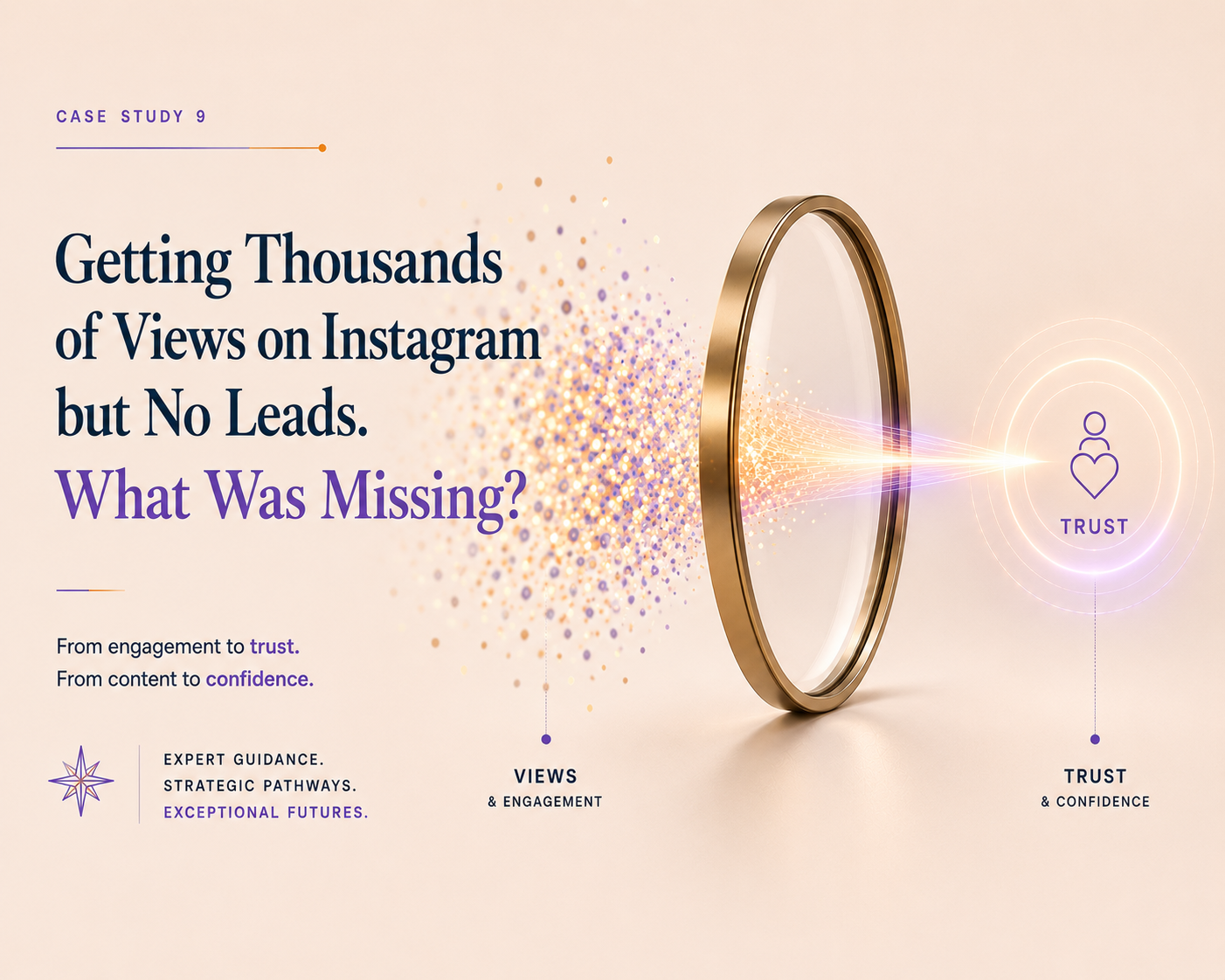
The content was consistent.
The reels were generating views.
Engagement numbers looked healthy.
Yet very little of that activity was translating into meaningful enquiries or customer trust.
This was the challenge facing an India-based Ayurvedic wellness brand that had spent over five years building high-quality products rooted in traditional Ayurvedic principles. The business had loyal customers, strong repeat purchases, and positive word-of-mouth referrals. However, its digital communication was heavily focused on visibility and engagement rather than trust and decision-making.
What initially appeared to be a lead generation challenge ultimately became a communication strategy challenge.
Industry
Healthcare & Wellness
Location
India
Services Delivered
Brand & Positioning Communication
Customer Journey Communication
Educational Content Strategy
Local Language Communication Framework
Website & Digital Communication Strategy
Client Background
The client was an Ayurvedic wellness brand with over five years of experience offering products focused on preventive health, digestion, immunity, and lifestyle-related wellness concerns.
The founders had invested significantly in product quality, customer support, and formulation development. Existing customers trusted the brand, and repeat purchases contributed meaningfully to business growth.
The challenge emerged online.
The brand was creating content regularly and maintaining a visible presence on Instagram. Reels around products, wellness procedures, ingredients, and general awareness topics were generating views and engagement.
On the surface, the content appeared successful.
However, engagement metrics were not translating into trust, enquiries, or stronger buying decisions.
The leadership team realized that something was missing between visibility and conversion.
The Challenge
The brand approached us seeking support with content strategy and customer engagement.
Their concern was straightforward:
“People are watching our content. They are liking and sharing it. But very few are actually taking the next step.”
Our audit included:
- Instagram content strategy
- Reels performance
- Website communication
- Customer reviews and feedback
- Competitor positioning
- Customer journey analysis
- Brand messaging framework
The findings revealed a clear pattern.
The brand was creating content.
But it was not creating enough confidence.
Most communication focused on:
- Product promotions
- Wellness tips
- Procedure demonstrations
- Product features
- Offers and seasonal campaigns
- Engagement-oriented content
While these generated activity, they rarely answered the questions potential customers were asking:
- Has this worked for someone like me?
- What kind of results can I realistically expect?
- Why should I trust this brand?
- What makes this different from other Ayurvedic products?
- What experience have other customers had?
- How does Ayurveda fit into my lifestyle?
The content was generating attention.
It was not consistently generating trust.
Our Diagnosis
During the audit, one observation stood out immediately.
The brand had accumulated hundreds of customer experiences, success stories, testimonials, and wellness journeys over the years.
Yet very few of these stories were visible online.
The business possessed strong proof.
The market could not see it.
At the same time, we noticed that much of the communication strategy had been designed around platform engagement rather than customer decision-making.
The objective had become:
- More views
- More likes
- More reach
Instead of:
- More trust
- More credibility
- Better customer confidence
We also identified another significant gap.
A large portion of the customer base was more comfortable consuming health-related information in their native language.
However, most communication was being published exclusively in English.
This created three major challenges:
- High engagement but limited trust-building
- Strong customer outcomes but weak visible social proof
- Valuable expertise communicated in a language that did not always match the audience
The business did not have a visibility problem.
It had a trust communication problem.
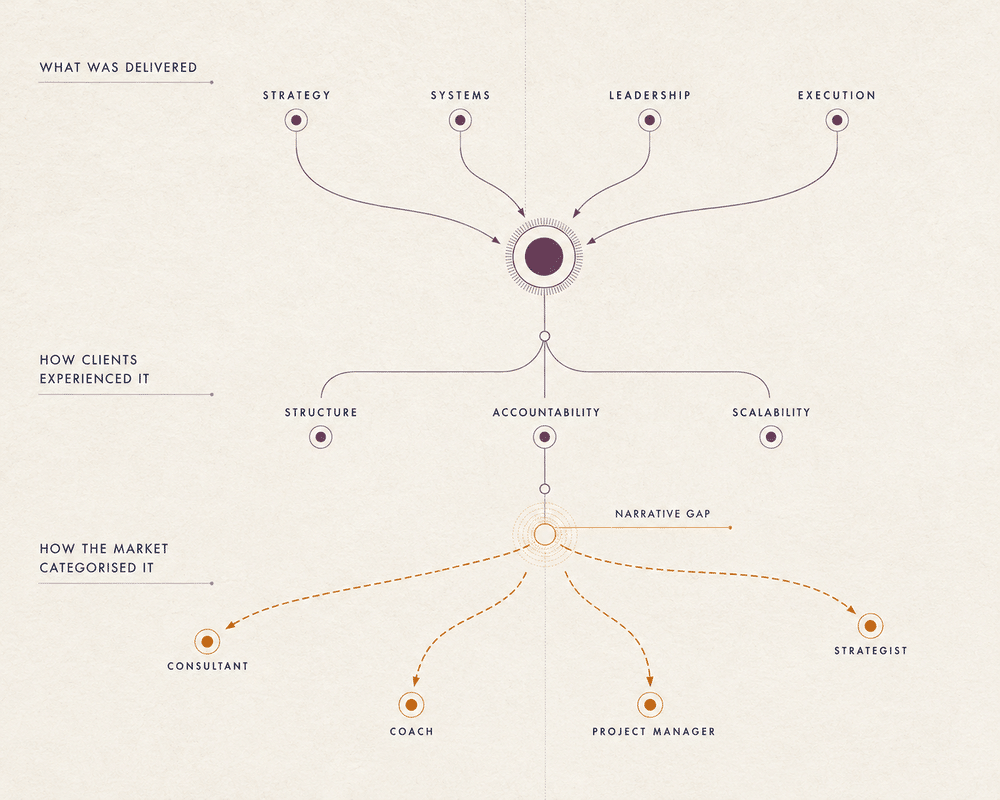
Strategic Intervention
Rather than increasing content volume, we recommended restructuring the communication strategy around customer trust and education.
The objective was to help potential customers experience the credibility of the brand before making a purchase decision.
The engagement included:
- Communication audit
- Customer journey mapping
- Testimonial-led content framework
- Educational content strategy
- Local language communication integration
- Website communication refinement
- Social proof architecture
- Brand storytelling framework
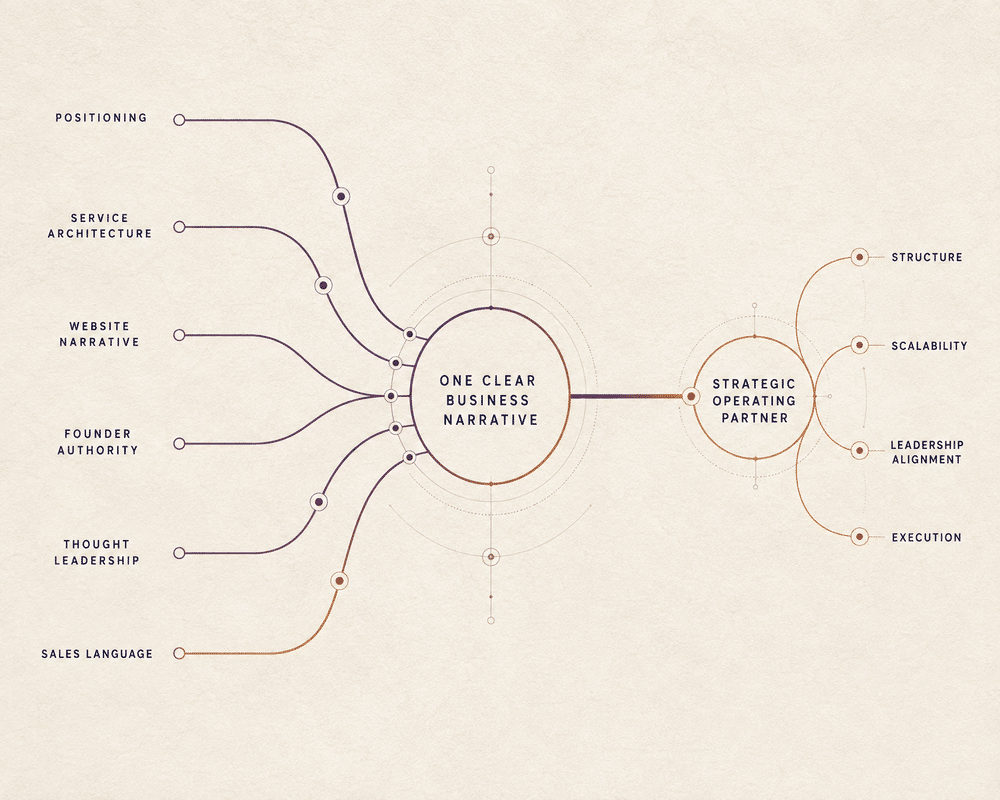
What Changed?
The first shift involved changing what the brand communicated.
Instead of focusing primarily on products and promotions, communication began focusing on people, experiences, and outcomes.
The revised strategy emphasized:
- Customer journeys
- Real wellness experiences
- Lifestyle improvements
- Long-term health outcomes
- Preventive wellness education
- Everyday Ayurvedic practices
We introduced a structured testimonial framework designed to showcase customer stories, wellness transformations, and practical outcomes.
Procedure-based content was retained but repositioned within a broader trust-building strategy.
Educational content expanded beyond product benefits and began helping customers understand how Ayurvedic principles could be applied in modern lifestyles.
We also introduced local-language communication across selected content formats to improve relatability, accessibility, and audience connection.
The website was refined to better showcase customer experiences, brand philosophy, and wellness expertise.
The objective was not to create more content.
It was to create more confidence.
Business Impact
The communication transformation helped create stronger alignment between customer experience and brand perception.
Key outcomes included:
- Stronger trust before purchase decisions
- Greater visibility of customer success stories
- Better balance between engagement and trust-building content
- Improved relatability through local-language communication
- Increased credibility across digital platforms
- More effective customer journey communication
- Stronger alignment between brand values and customer perception
Most importantly, the brand stopped treating social media as a sales channel and began using it as a trust-building platform.
Leadership Insight
Many brands mistake engagement for trust.
The two are not the same.
A customer may watch a reel, like a post, or share a video without ever feeling confident enough to make a purchase.
Trust is built when people see proof.
When they hear real stories.
When they understand outcomes.
And when communication feels relevant to their everyday lives.
The strongest wellness brands are not always the ones generating the most engagement.
They are often the ones building the most confidence.